THE ENTERNATIONAL FEDRATION OF INDEGENIOUS ZEBU CATLE OF INDIA(IFIZCI)
IFIZCI PRESENTS KAMDHENU GAU KRISHI MAHOTSAV
Previous slide
Next slide
IFIZCI
About us
The International Federation of Indigenous Zebu Cattle (IFIZC) is an organization dedicated to the conservation and promotion of Indigenous Zebu cattle breeds. The IFIZCI was founded in 2023 with the concern about the decline of Indigenous Zebu cattle breeds and to represent all the issues and challenges of different cattle breeders. As India is the country of origin of Zebu cattle breeds, this Federation is dedicated to the conservation and promotion of all the 88 known Indian Zebu cow breeds both registered and non-registered. IFIZCI aims at working towards the conservation and sustainable use of Indigenous Zebu cattle breeds through a variety of events and activities. The objective is to preserve and conserve the best germplasm and genetics of all the Indian Zebu breeds. The Federation will look into the ways of increasing the income of Indian Zebu cow breeders to 5 folds. The IFIZCI is committed to working with its members and partners to ensure the long-term survival and prosperity of Indigenous Zebu cattle breeds. Indigenous Zebu cattle are an important part of the global ecosystem and the livelihoods of millions of people. Their conservation and promotion can help to ensure their long-term survival and prosperity.
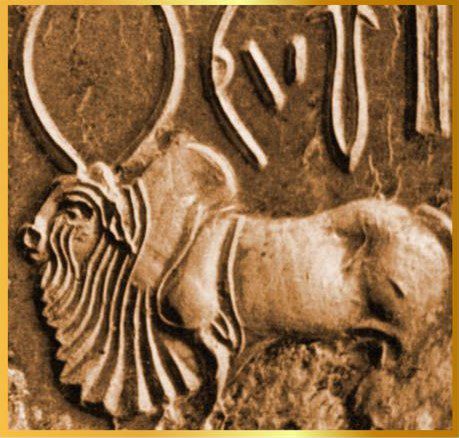
Zebu Bull of The Harappan Civilisation
From time immemorial, cow has been sacred in the Indus Valley Civilization. The Bull Seal (dates back to around 2200-2500 BCE) found in ‘The Indus valley Civilization’ that flourished from 3300 to 1300 BCE. It is a small, square piece of steatite, a kind of soft stone carved with an image of a bull with a large hump and curving horns. Standing on a pedestal, it is surrounded by a border of symbols in the seal which in itself proves the significance of cattle in this ancient civilisation. The theories lead to different purposes of the bull; some indicate that it was used as a stamp or seal, perhaps to mark ownership of goods or document and some point towards their integral participation in the religious rituals. The Zebu Bull looks magnificent with its heavy dewlap and wide curving horns. It is perhaps the most impressive motif found in the Indus seals almost exclusively at the largest cities of Mohenjo-Daro & Harappa. Owing to its thematic recurrence in many of the rituals and decorative arts of Indus region, ‘The Humped Bull’ has been a strong subject holding the archaeologist’s curiosity. Making frequent appearance on painted pottery and as figurines long before the rise of cities and continuing on into later historical times. It may symbolise the leader of the herd, whose strength & virility protects the herd and ensures the procreation of the species. When carved in stone, the zebu Bull probably represents the most powerful clan or top officials of Mohenjo-Daro & Harappa.
Newsletter
Subscribe to our newsletter and follow our content closely. Receive news based on what has to do with you. We promise not to send promotions you don’t like.